
Tuesday again. This is where we land every Tuesday, with one small, practical way to steward what you have been given a little better this week, simple enough to finish and useful enough to notice by Friday.
This Week’s Tip
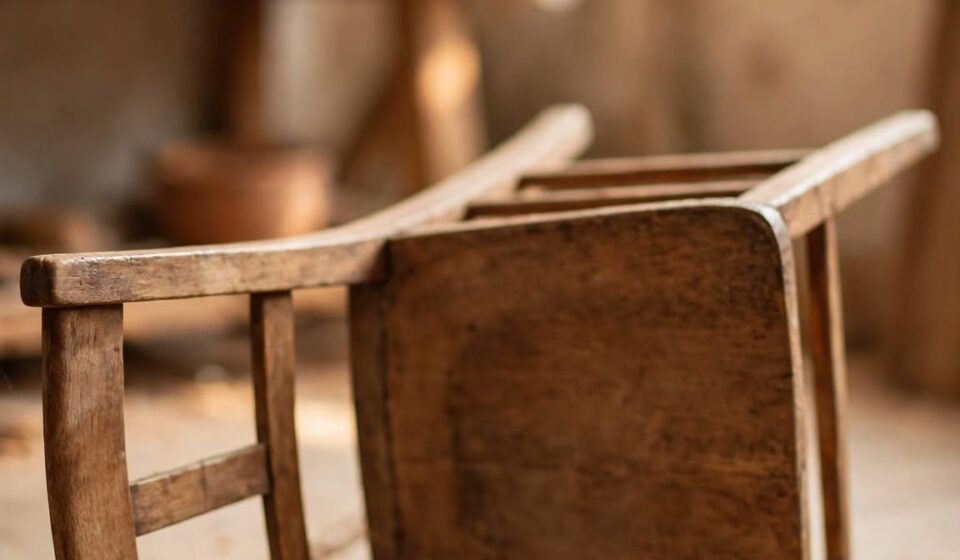
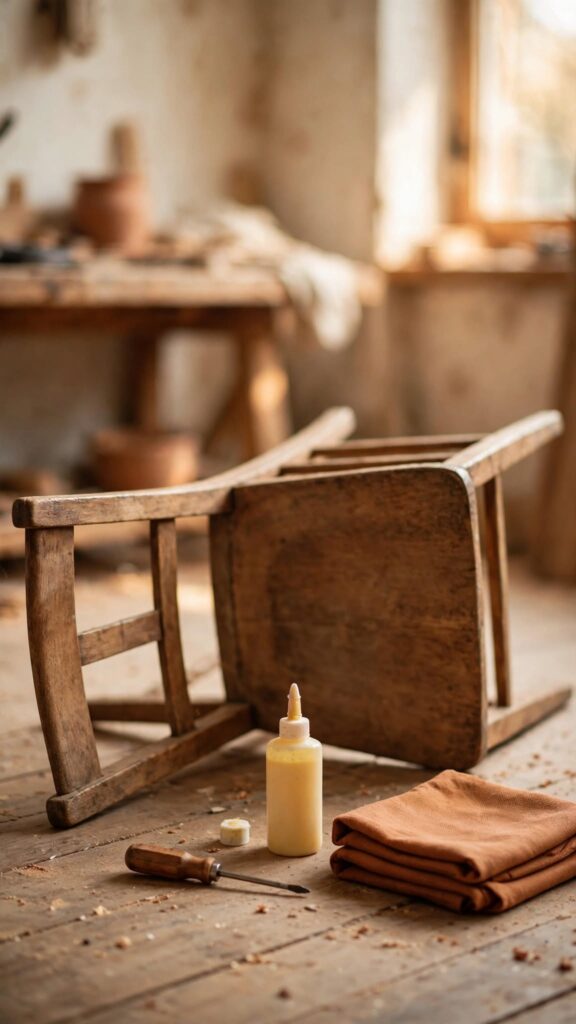
Look around your home for one broken thing that you have been meaning to replace, and try to repair it instead. It might be a chair with a loose leg, or a bag with a torn strap. It might be a shirt that has lost a button, or a drawer that sticks when you pull it.
Choose one, and give it a real attempt before the week is over. That might mean a needle and thread or a screwdriver. It might mean taking the item to someone in your neighborhood who repairs such things for a modest fee.
That is the whole tip. One broken thing, mended on purpose, instead of thrown away.
Why This One Matters
We live in a time when replacing is often easier than repairing. A new item is a few taps away and arrives at the door, and the old one goes into the bin. Many of us have forgotten that it is possible to fix things, and some have never been shown how.
Something is lost in that habit. Each time we discard a thing that could have been mended, we spend money we did not need to spend, and we teach ourselves that objects are disposable. Over the years, that attitude can quietly spread from our possessions to our patience with other things.
Jesus gave a small instruction after he fed the crowd of five thousand. When everyone had eaten enough, he told his disciples to gather the leftover pieces so that nothing would be wasted. – John 6:12. It is remarkable that the one who had just produced a meal from a few loaves still cared about the crumbs. Abundance did not make him careless.
The prophet Isaiah described the people of God as repairers of broken walls and restorers of streets with dwellings.
12 Your people will rebuild the ancient ruins
Isaiah 58:12 New International Version
and will raise up the age-old foundations;
you will be called Repairer of Broken Walls,
Restorer of Streets with Dwellings.
The image is of people who rebuild what has fallen down, rather than leaving it in ruins. We are not all called to rebuild cities, but the same spirit can begin at a kitchen table with a cracked handle.
And when Jesus first called James and John, the gospel writers tell us where he found them.
19 When he had gone a little farther, he saw James son of Zebedee and his brother John in a boat, preparing their nets. 20 Without delay he called them, and they left their father Zebedee in the boat with the hired men and followed him.
Mark 1:19-20 New International Version
They were in their boat, mending their nets. It was ordinary, patient work, and it was the work they were doing when the greatest invitation of their lives arrived. There is dignity in mending.
How to Actually Try This Tip
Begin by walking through your home with one question in mind. What is broken that I have been ignoring? Most of us have at least three or four such things within a few minutes, and many people find a surprising number.
Choose the easiest one. You are not trying to attempt a major repair on your first try. A button, a loose hinge, a small tear, or a wobbly shelf is plenty. Success on a small job builds the confidence for a larger one.
Next, find out how. If you do not know where to begin, ask a friend or a relative who is handy, or look for a short tutorial. Many repairs are easier than they appear, and a few minutes of watching a patient demonstration can save an item that you were about to discard.
If the repair is beyond you, look for someone who can help. Many towns have a cobbler or a person who fixes small appliances, and they are often glad of the work. Paying a skilled person a fair price to mend something is itself a good use of money, and it supports someone’s livelihood.
Then do it. Give yourself a set time, perhaps thirty minutes, and see how far you get. If it works, enjoy a small moment of satisfaction. If it does not, you have still learned something, and you have lost very little.
What Changes When You Do It
Expect a feeling that is hard to describe. Fixing something that was broken gives a quiet pleasure, and it often shows up when you use the item again. A chair that no longer wobbles, or a bag that holds together, carries a small story with it.
You may also find that you value the item more. An object that you have repaired with your own hands becomes harder to throw away. Some people notice that they begin to take better care of their belongings, because they now understand the effort that goes into keeping them whole.
Be honest about the limits, though. Some things are not worth repairing. If the cost of the fix is greater than the value of the item, or if a repair would be unsafe, replacing may be the wiser choice. Stewardship is not stubbornness. It is the habit of asking, before we discard, whether this could have another season.
If You Are Not the Handy Type
Some of us feel that we have no talent for this kind of work, and that is a common feeling. I would encourage you to start with the simplest possible task, such as sewing on a button. A needle and thread cost very little, and the skill takes only a few minutes to learn.
If you are teaching children, invite them into the repair. Let them hold the screwdriver or thread the needle, and talk about why you are fixing the item. Children who grow up seeing a parent mend things tend to carry a gentler view of possessions into adult life.
And if you are not able to do physical work because of age or health, you can still take part. Ask a neighbor or a younger relative to help, and let them have the pleasure of being useful. A shared repair can become a pleasant afternoon for both of you.
Read Also: A Seat at the Table: The Week Off He Keeps Postponing
Read Also: The Hard Questions: Why Did Jesus Curse a Fig Tree for Not Having Fruit?
Read Also: Stewardship Spotlight: Cancel One Subscription You No Longer Use
Share Your Own Stewardship Habit
What is a small stewardship habit that has served you well, whether it touches your money or your time? Tell us about it in the comments below. Next Tuesday, we will feature one of your habits right here in the spotlight.
See you next Tuesday, for another small, practical way to steward whatever you have been given.