
Every week, we open a real, honest tension from someone’s actual life, a composite drawn from the kinds of situations many of us quietly carry. We ask you to sit with it before we ever offer our own thoughts. No resolution today. Just the dilemma, and a question or two for you at the end.
Their grandmother died in March, a few weeks past her ninety-first birthday, and left her small brick house to her two granddaughters in equal shares. There was no will clause about what to do with it, no instruction, only a handwritten note tucked in the kitchen drawer that said, I hope you girls will be kind to each other about this.
The older granddaughter lives eleven hours away and has a career and a mortgage, along with a teenager who needs a new set of braces. She called her sister two weeks after the funeral and said what she had clearly been practicing. They should sell it. The house needs a new roof, and the furnace is older than both of them. The property taxes will keep arriving whether anyone lives there or not. Selling would be the sensible thing, she said, and the money could help them both.
The younger granddaughter lives twenty minutes from the house. She has driven past it nearly every day for years, and she had a key long before she inherited half of it. Every Sunday of her childhood ended at that kitchen table with a pot roast and her grandmother humming something she never named. Her own children learned to ride bikes on that front walk. When she hung up the phone, she sat in her car for a long time and found that she could not make herself say yes.
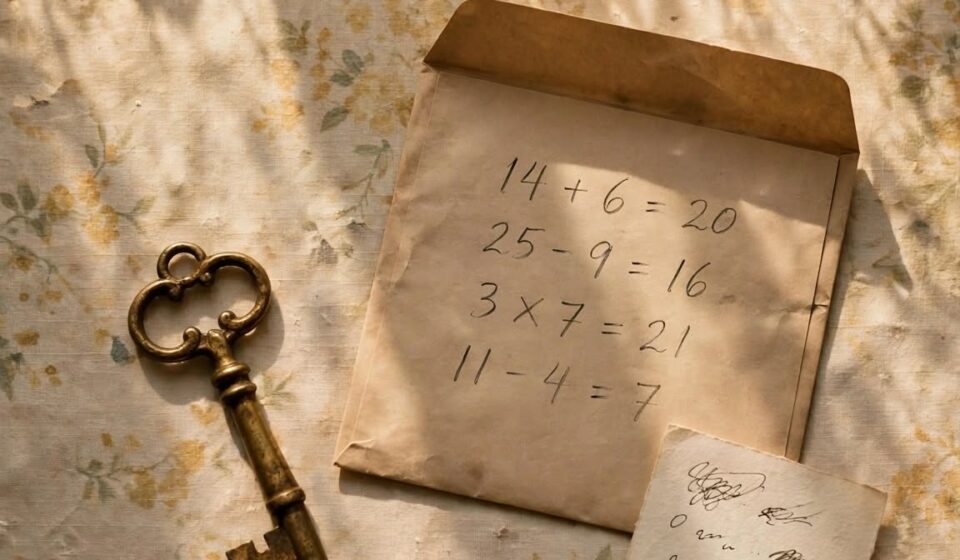
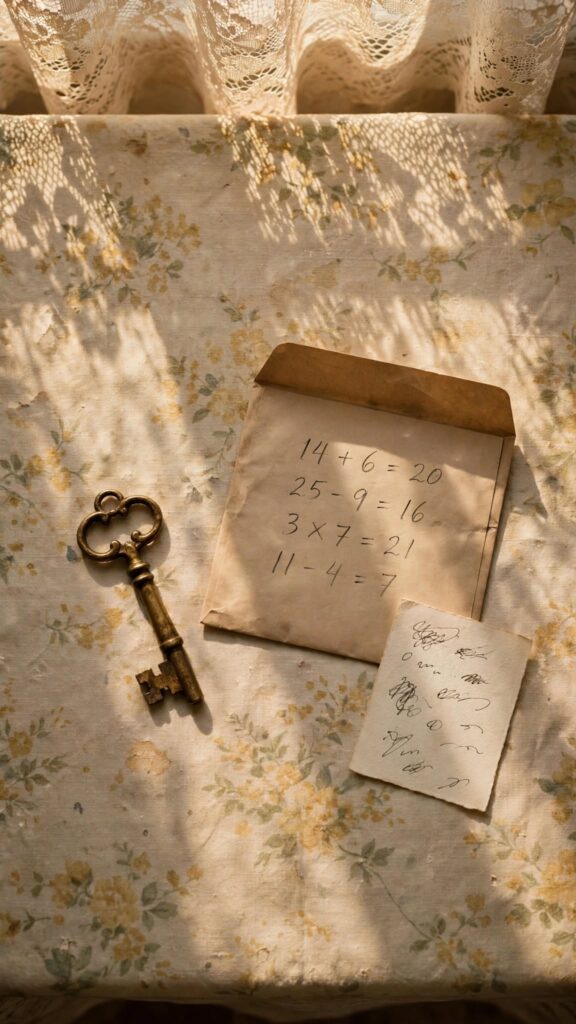
She is not naive about the cost. She did the math that same night on the back of an envelope. A new roof will run about eighteen thousand dollars, and the furnace could not be far behind. To keep the house, she would have to buy out her sister’s half, and the loan would stretch her family’s budget in ways her husband has politely, carefully questioned.
Her husband is not against it. He has said he understands what the house means to her, and he has also said that a house is a very large way to hold onto a memory. He asked her once, gently, whether she was trying to keep the house or keep her grandmother, and she did not have an answer ready.
Her sister has been kind, but she has also been firm. She pointed out, correctly, that she grieves too, and that her memories of the house are just as old as her sister’s. She was the one who spent the summer there when their mother was sick. She does not want to be the villain in the story, and she does not want to carry a roof she will never stand under. She has asked, more than once, whether her half of the inheritance has to be tied up in a building she will visit twice a year.
The younger granddaughter has thought about alternatives. She could rent the house out, though the idea of strangers living in her grandmother’s kitchen makes her stomach turn. She could keep it as a place the whole family gathers, though that depends on everyone showing up and splitting the costs, and she is not sure the family is built that way. Selling is the option her sister has already named, and every time she imagines the sign in the yard she feels something close to physical pain.
She has prayed about it, and what she hears in the quiet is not an answer so much as a question. What is this house for?
Their pastor reminded her that things are only things, and that the people mattered more than any building. She agreed, and she has not been able to stop thinking about how the people in her life learned who they were at that table. Her older sister, when asked, said that her grandmother would have hated to see them fight over a house, and that she would have wanted them both to be fine.
A realtor has offered to look at the property next week, a free visit, no obligation. The older sister wants to say yes. The younger one has not answered the text yet. Her phone sits on the counter beside the old brass key.
What would you tell her to do here? Is a family home a memory worth holding on to, or a possession to be stewarded like any other, and does the answer change when only one sibling lives nearby? Should she stretch her own budget to keep it, or let it go and trust that what mattered lives in more than a building? And what would you say to the sister who wants to be fair without being cold?
We would love to hear your honest take in the comments. This is where we land every Thursday. Next week, we will open a new dilemma from a different corner of life. In a few weeks, we will circle back and share some of your responses to this one, alongside a few thoughts of our own.
Read Also: This Week’s Verse: Why “Be Still” Was Spoken in the Middle of a War
Read Also: Stewardship Spotlight: The Ten-Minute Look at Where Your Money Actually Goes
Read Also: Grace in the Details: The Birthday Party the Rain Ruined
Have a Dilemma of Your Own?
Maybe you are the one carrying a real, unresolved tension right now, something in your own planning, home, rest, or stewardship that has no easy answer yet. We would love to feature it here in a future Seat at the Table, told with care and without using your real name unless you want us to.
Send it to us through the contact page, just a few sentences describing the situation is plenty, and let us know if you would like us to refer to you as “a reader” or by your first name, and if so, please provide the name. We will change identifying details either way to protect your privacy, and we will never publish a submission without genuinely believing it will help someone else feel less alone in something similar.