
Every week, we open a real, honest tension from someone’s actual life, a composite drawn from the kinds of situations many of us quietly carry. We ask you to sit with it before we ever offer our own thoughts. No resolution today. Just the dilemma, and a genuine question for you at the end.
His mother is seventy-eight, and she has lived in the same small house for fifty-one years. She raised her children there and buried her husband from there, and she knows every creak in the floor. Two years ago, she told her son that she would leave that house only when they carried her out.
Last month, she fell in the kitchen. It was not a terrible fall, and a neighbor found her within an hour. But the doctor spoke to him afterward, in a corridor, and said what he had been dreading. She should not be living alone by spring. There would be another fall, and the next one might not end so lightly.
The family lives three hours away. His only sister lives abroad and has said, with real sorrow, that she cannot do much beyond sending money and calling every evening. That leaves him. He has thought about it every night since, lying awake beside his wife, listening to the clock.
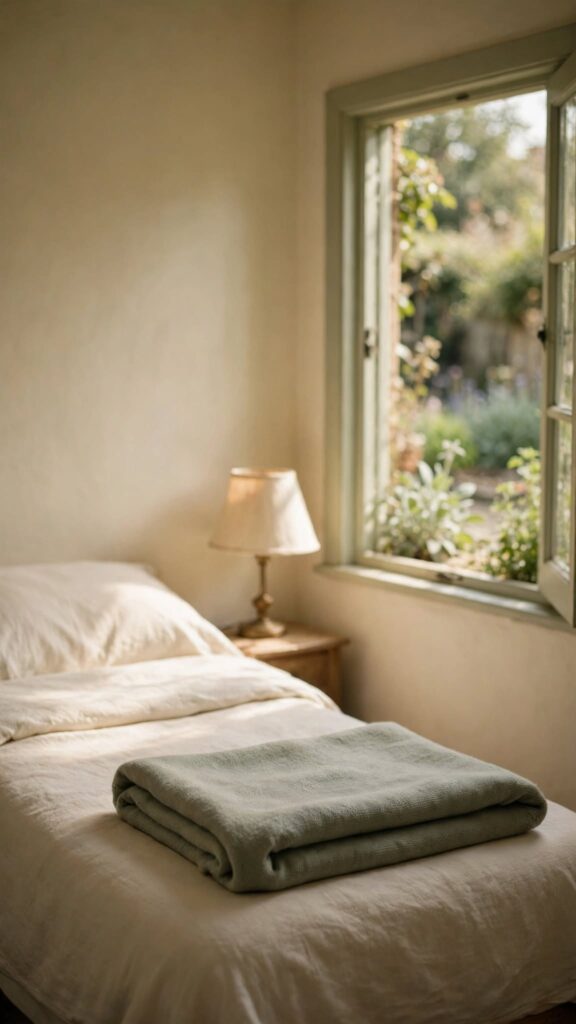
The simplest answer is for his mother to come and live with them. They have a spare room, small but sunny, on the ground floor. It is the obvious solution, and he knows it. He has not been able to say it aloud, because of his wife.
She is not an unkind person. She works from home, and the house runs because of her. Over the years, she has had a difficult relationship with his mother, who has never quite accepted that her son’s wife does things differently. There have been comments about the cooking and about the way the children are raised. None of it was cruel, but it left marks that the two of them have never discussed.
When he raised the subject last weekend, his wife said carefully that she was willing to consider it. Then she said that she was not sure she was ready, and her voice tightened on the word. He asked what she meant. She said that she was afraid that her home would stop being hers, and that she would feel like a guest in her own kitchen. Then she apologized for saying it, and he told her that there was nothing to apologize for.
There are other possibilities. A good care home near their house would cost more than they can easily afford, though his sister has offered to help. Hired caregivers could live in his mother’s own house, which she would prefer, but that is expensive too, and difficult to arrange from a distance. Each option has a price that is not entirely about money.
His mother, for her part, is torn. She does not want to be a burden. She has said so often. But she has also said, quietly, that she cannot imagine living anywhere else, and that a home for old people sounds to her like a waiting room. She has not been asked about moving in with them, because he has not worked out how to ask without making a promise he cannot keep.
His teenage children have views as well. His son thinks it would be fine. His daughter has asked whether she would still be able to have friends over. They are not unkind questions. They are the questions of young people who can see the shape of a change but not the weight of it.
What troubles him most is that he can see both sides of it, and he loves both women. He does not want to ask his wife to carry something that she is afraid of. And he does not want to tell his mother that her last years will be spent among strangers because the family could not make room.
The doctor has a follow-up appointment on Monday, and he will need to say something about what the family intends to do. He has not told either woman how long he has been carrying that date.
What would you actually tell him? Is a mother’s need something that a family must always make room for, or is a wife’s fear a fair limit on what a home can hold? Does honoring a parent mean having her under your roof, or can it be done well from a distance? And if you were his wife, what would you need to hear before you could say yes, or say not like this?
We would love to hear your honest take in the comments. This is where we land every Thursday. Next week, we will open a new dilemma from a different corner of life. In a few weeks, we will circle back and share some of your responses to this one, alongside a few thoughts of our own.
Read Also: Worldview Clash: Stoicism vs. Christianity: Control, Calm, and Where Strength Comes From
Read Also: This Week’s Verse: What “I Can Do All Things Through Christ” Was Never Meant to Promise
Read Also: A Seat at the Table: The Career Change She Wants at Forty-Five
Have a Dilemma of Your Own?
Maybe you are the one carrying a real, unresolved tension right now, something in your own planning, home, rest, or stewardship that has no easy answer yet. We would love to feature it here in a future Seat at the Table, told with care and without using your real name unless you want us to.
Send it to us through the contact page, just a few sentences describing the situation is plenty, and let us know if you would like us to refer to you as “a reader” or by your first name, and if so, please provide the name. We will change identifying details either way to protect your privacy, and we will never publish a submission without genuinely believing it will help someone else feel less alone in something similar.