
Tuesday again. This is where we land every Tuesday, with one small, practical way to steward what you have been given a little better this week, simple enough to finish and useful enough to notice by Friday.
This Week’s Tip
Think of one thing you are holding that belongs to someone else. It might be a book on your shelf or a plate in your cupboard. It might be a tool in your garage, or a sweater that has lived in your closet since last winter. Pick one, and return it before the week is over.
If you can hand it over in person, do that. If not, drop it off or mail it with a short note. Either way, the item leaves your house and goes back to its owner.
That is the whole tip. One thing, returned on purpose, with a few kind words attached.
Why This One Matters
Borrowed things have a way of settling into a home as though they had always lived there. The longer an item stays, the less it feels like a loan, and the more awkward it feels to bring up. Many of us carry a small, low weight of guilt about a few objects that we meant to return months ago and never did.
That weight is not only about the object. A borrowed item sitting unreturned is a promise that has gone quiet. Someone trusted you with something of theirs, and the trust is still open, waiting to be closed properly.
King David wrote in one of his psalms about the difference between a person who borrows and does not repay and a person who is generous and gives.
21 The wicked borrow and do not repay,
Psalm 37:21 New International Version
but the righteous give generously;
He was describing character, not accounting. How we handle small debts, including a borrowed dish, tells us a good deal about how we handle larger ones.
Jesus said that whoever can be trusted with very little can also be trusted with much.
10 “Whoever can be trusted with very little can also be trusted with much, and whoever is dishonest with very little will also be dishonest with much.
Luke 16:10 New International Version
Most of us will never be handed a fortune to manage, but nearly all of us have been handed a neighbor’s stuff at some point. And that is where the habit gets built. Stewardship is not only about what is yours. It includes how faithfully you look after what is not.
And there is also a more subtle benefit. When you return something, you tell the person that their things matter to you, and that you remember. And friendships often run on small gestures like that, long before anyone says anything grand.
How to Actually Try This Tip
Choose the item now, before you finish reading, so the decision does not become one more thing to put off. If you cannot think of one right away, walk through your home with that question in mind. Most people will find at least two or three objects within a few minutes, and a few will find a surprising number.
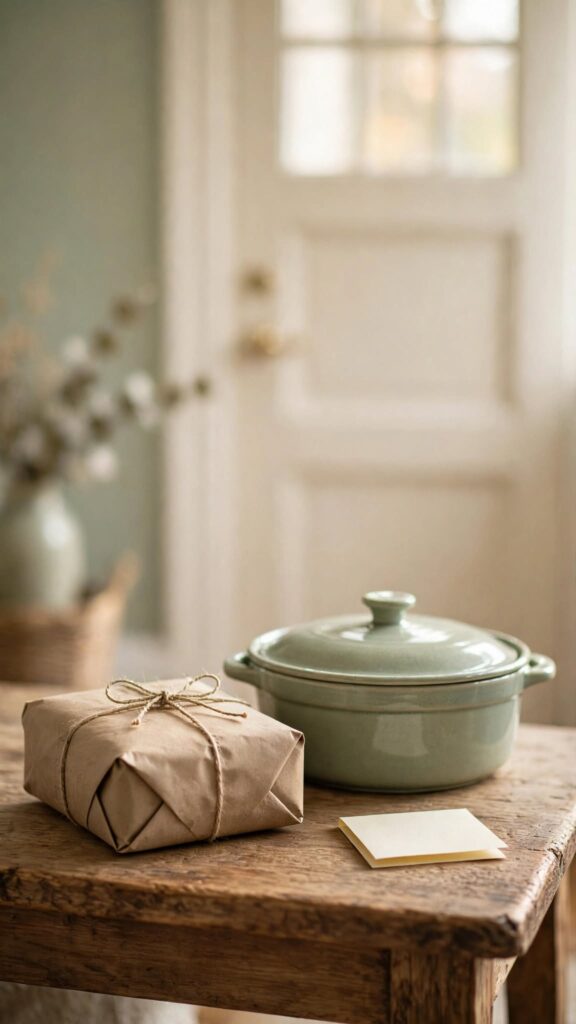
Pick the one that has been with you longest, since that is usually the one carrying the most guilt. Then decide how it will travel. If you see the owner regularly, put the item by your front door tonight so you will not leave without it. If they live far away, wrap it and mail it this week, and write a short note to go with it.
What you say matters less than saying something. A simple line works well, such as, “I am sorry this took me so long, and thank you for trusting me with it.” Avoid a long explanation. The owner usually cares far less about the delay than you expect, and a warm, brief note will land better than a nervous speech.
If you have lost the item or damaged it, say so plainly, and offer to replace it. This is harder than returning a clean borrowed book, but it is the more honest path, and most people respond generously to a straightforward apology.
If you cannot tell who an item belongs to, ask around. Sometimes the owner has forgotten as well, and the question gives both of you a small, pleasant laugh.
What Changes When You Do It
Expect a small surprise. The relief of handing something back is usually larger than the effort it took. And I am sure that a few people will describe it as setting down a bag they had stopped noticing they were carrying.
You may also find that the owner has a story to tell. A returned book can start a conversation about why they loved it, and a returned dish can lead to an invitation to dinner. Something that sat in a cupboard as a quiet guilt can turn into a reason to reconnect.
So do not wait until you can return it perfectly. A late return with an honest word beats a perfect return that never happens. The goal this week is movement, not polish, and one finished return will make the next one easier.
The Other Side of the Shelf
If you are the lender, this tip works in reverse too. Perhaps you have a friend who has held something of yours for a long time. You do not have to make an issue of it. A light message might do, such as asking whether they still have your book, and mentioning that you would love to pass it along to someone else.
Many people hesitate to ask because they fear sounding petty. And in most cases the borrower is relieved to be given an easy way to fix the situation. The gentleness of the request matters more than the speed of it.
It can also help to rethink what you lend in the first place. Some things are easy to part with for a long stretch, and some are not. Lend freely what you would not miss, and be honest with yourself about the rest. That is its own form of stewardship, because it keeps resentment from forming later.
Read Also: Stewardship Spotlight: The Ten-Minute Look at Where Your Money Actually Goes
Read Also: Living With Roommates as an Adult and Still Having a Real Home
Read Also: The Weekly Rhythm Reset: One Line for Tomorrow, Written Tonight
Share Your Own Stewardship Habit
What is a small stewardship habit that has served you well, whether it touches your money or your time? Tell us about it in the comments below. Next Tuesday, we will feature one of your habits right here in the spotlight.
See you next Tuesday, for another small, practical way to steward whatever you have been given.