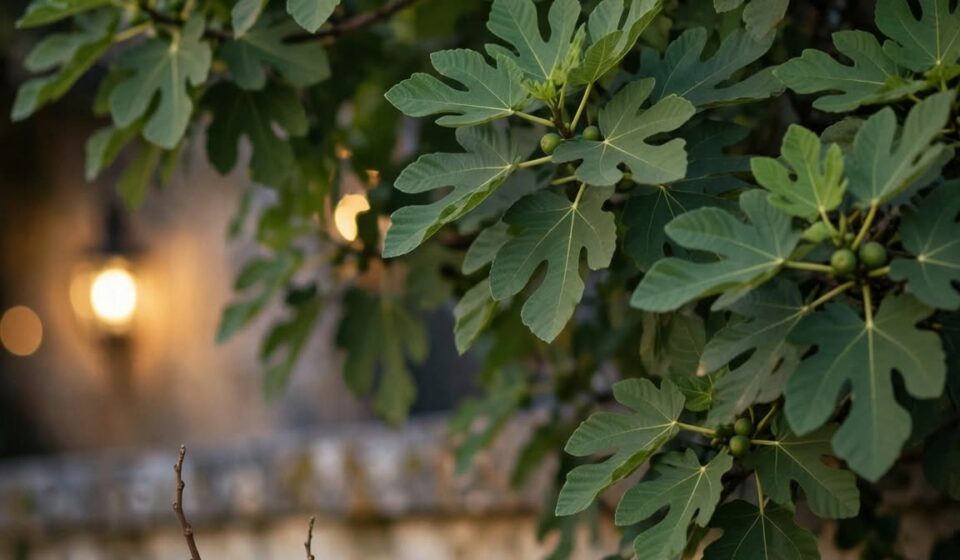

This is where we land every Sunday, after This Week’s Verse. Each week we pick one verse or question that seems hard or contradictory, and I give the best answer I can. Sometimes the answer will settle the matter. Sometimes some doubt will remain in the room, and when that happens I will say so.
She had a fig tree in her backyard that she tended more carefully than she tended most things, and she was proud of it. So when a coworker leaned across the lunch table and said that her Jesus once killed a tree for having no figs, she laughed. Then she realized he was serious.
He was not being cruel. He had read the story recently and it had bothered him. A hungry Man finds nothing on a tree and curses it, even though the text itself says it was not the season for figs. By the next morning the tree had withered from it’s roots. He asked her what kind of sense that made.
She said she would look into it. That night she opened her Bible and read the account twice, and then sat quietly for a while. She had no answer. She noticed that she did not want to give him a quick one, either.
What the Text Says
It helps to begin with exactly what happened, because the story is short but somehow easy to misremember.
Jesus and His disciples were walking toward Jerusalem. He was hungry, and He noticed a fig tree in leaf some distance off. He went over to see whether it had any fruit. It did not, and the writer adds a detail that makes the whole thing stranger. It was not the season for figs.
Jesus Curses a Fig Tree and Clears the Temple Courts
12 The next day as they were leaving Bethany, Jesus was hungry. 13 Seeing in the distance a fig tree in leaf, he went to find out if it had any fruit. When he reached it, he found nothing but leaves, because it was not the season for figs. 14 Then he said to the tree, “May no one ever eat fruit from you again.” And his disciples heard him say it.
Mark 11:12-14 New International Version
Jesus then spoke to the tree and said that no one would ever eat fruit from it again. His disciples heard Him say it. The next morning, as they passed by, they saw that it had withered from the roots, and Peter pointed it out to Him.
20 In the morning, as they went along, they saw the fig tree withered from the roots. 21 Peter remembered and said to Jesus, “Rabbi, look! The fig tree you cursed has withered!”
22 “Have faith in God,” Jesus answered. 23 “Truly I tell you, if anyone says to this mountain, ‘Go, throw yourself into the sea,’ and does not doubt in their heart but believes that what they say will happen, it will be done for them. 24 Therefore I tell you, whatever you ask for in prayer, believe that you have received it, and it will be yours. 25 And when you stand praying, if you hold anything against anyone, forgive them, so that your Father in heaven may forgive you your sins.”
Mark 11:20-25 New International Version
This is the only time in the gospels that Jesus uses His power to destroy something. He healed the sick and calmed storms, but here He does the opposite, and He does it to a plant.
The Detail That Seems to Make It Worse
The detail that troubles most of us is the one about the season. If it was not the time for figs, then the tree was not failing at anything. A tree cannot produce fruit out of season, and being angry at it seems almost like being angry at a stone for not being soft.
And I will not wave that away. It is a real puzzle, and I think it is worth admitting before offering any explanation. Whatever the story means, it cannot mean that Jesus lost His temper over a hunger. The Gospels do not describe Him that way anywhere else, and the writers who included this scene knew exactly what it looked like.
So the question I know you are asking just as I am is what is going on?
A Tree That Promised More Than It Had
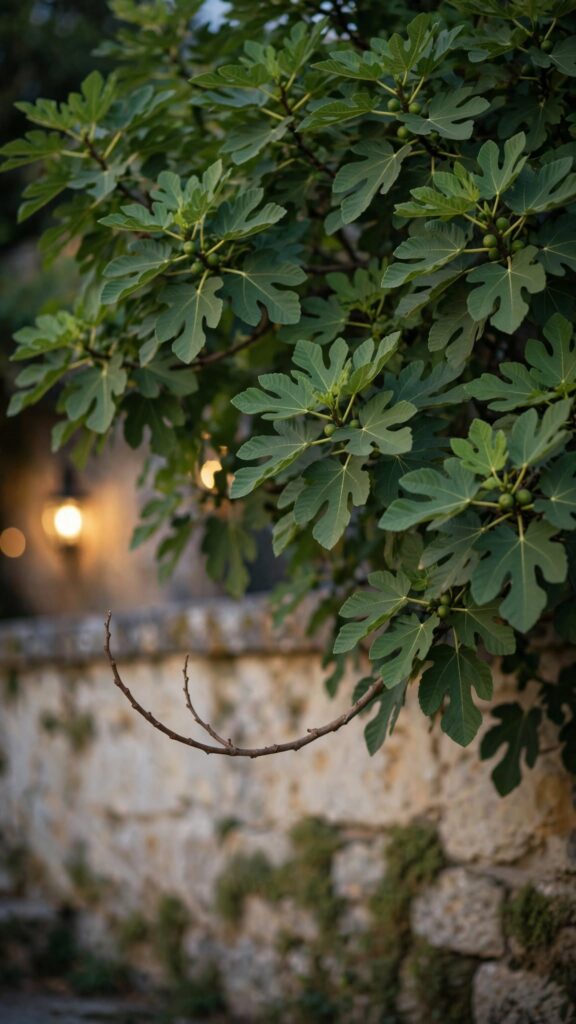
Here is one fact about fig trees that I found helpful. In that region, they can carry small early fruit around the time the leaves come out, and people could eat it. When a tree was already in full leaf, as this one was, a passerby had reason to expect something to be on it. The leaves were a kind of announcement. They said, there is fruit here.
This tree was making that announcement and had nothing to back it up. It looked healthy and productive from the road, and up close it was empty.
That, I think, is the point. Jesus was not scolding the tree for the calendar. He was using it to say something to the people watching, and the people watching knew exactly what a fig tree stood for.
Where the Story Sits
Look at where the writer placed this scene. In the gospel of Mark, the cursing of the tree is split in two. It begins on one day, then Jesus enters Jerusalem and goes to the temple, where He overturns the tables of the money changers and drives out the people buying and selling. Only afterward does the narrative return to the withered tree.
And I believe the placement is deliberate. The temple was the center of Israel’s religious life. It was busy and impressive, and it was full leaves in every possible way. Jesus walked into it and found that the people running it had turned a house of prayer into something else.
The tree and the temple are telling the same story from two angles. Each looked alive and had no life to give. Many readers over the centuries have understood the tree as an acted parable, a picture of what happens when outward religion has no fruit behind it.
And the prophets had used this image before. Hosea and Jeremiah both described Israel as a fig tree, and both spoke of God coming to look for fruit.
10 “When I found Israel,
Hosea 9:10 New International Version
it was like finding grapes in the desert;
when I saw your ancestors,
it was like seeing the early fruit on the fig tree.
But when they came to Baal Peor,
they consecrated themselves to that shameful idol
and became as vile as the thing they loved.
What It Is and Is Not Saying
It does not teach that God throws away people who have a bad season, or that a person who is struggling will be cursed for failing to produce. The tree was not struggling. It was displaying leaves that promised something it did not have.
And that distinction matters to anyone who has felt tired or dry. Winter is not hypocrisy. A tree that is bare in the right season is just a tree. The warning in this story is aimed at the appearance of life that has no life behind it, not at the person who is honestly empty.
My dearest readers, I think we should let that comfort us and warn us at the same time. It comforts us because God is not impatient with honest seasons. It warns us because all of us are capable of looking more fruitful than we are, in the way we talk and in the way we present ourselves at church.
What Jesus Said Afterward
When Peter pointed out the withered tree, Jesus did not stop to explain it as a lesson about hypocrisy. He turned the conversation toward faith and prayer. Have faith in God, He told them. A person who believes can speak to a mountain and see it move, and whatever you ask for in prayer, believe that you have received it, and it will be yours.
I am sure that can sound like a sudden change of subject to many, but there is a thread. The temple had been meant as a house of prayer for all nations, and Jesus had just said so. He was drawing a contrast between a religion that looks alive and a real relationship of trust and prayer that actually bears fruit.
Read Also: Stewardship-spotlight (series tag)
Read Also: The Parable of the Talents Is Not About Money: What the Buried Gift Really Warns Us About
Read Also: This Week’s Verse: What the Famous “Plans to Prosper You” Promise Actually Meant
Conclusion
The woman with the fig tree went back to her coworker a few days later. She told him she had not solved the whole thing, and she admitted that the season detail still bothered her. But she said she had learned something about leaves. A tree in full leaf makes a promise, she told him, and Jesus seemed to care a great deal about whether the promise was true.
He was quiet for a moment and then asked her whether she thought he looked more fruitful than he was. She laughed and said she would let him know. Later that evening, she walked out to her own tree with a flashlight and looked, a little more slowly than usual, for what was actually growing under the leaves.
What is a verse or question that has bothered you, one you would like us to take on in a future Sunday? Tell us in the comments, and I will work through the best ones.